Strategic landscaping with native plants, eco-friendly materials, and efficient irrigation boosts curb appeal and property value in real estate. Using sustainable features like recycled metal, bamboo, and reclaimed wood, along with native vegetation, reduces environmental impact while enhancing design and durability. These practices cater to eco-conscious buyers, conserve water resources, and increase home values, making them a valuable investment for today's competitive real estate market.
In today’s competitive real estate market, enhancing curb appeal is not merely a cosmetic concern but a strategic investment. A home’s exterior not only influences first impressions but significantly impacts property values and marketability. However, traditional approaches often rely on short-term fixes and environmentally questionable practices. This article offers a sustainable and responsible solution to elevate curb appeal, ensuring long-lasting beauty without compromising the environment. We delve into eco-friendly strategies tailored for real estate professionals seeking to enhance their properties’ allure while maintaining ethical standards.
Strategize with Aesthetic, Eco-Friendly Landscaping for Real Estate
In today’s competitive real estate market, enhancing curb appeal is paramount to attract buyers and maximize property value. A strategic approach focusing on both aesthetic appeal and eco-friendly landscaping can deliver a powerful impact while promoting sustainability. This dual focus not only elevates the property’s visual appeal but also aligns with growing consumer awareness and preferences for environmentally conscious practices.
Strategizing with landscape design that balances aesthetics and eco-friendliness involves careful selection of native plant species, efficient irrigation systems, and sustainable materials. Native plants, adapted to local conditions, require less water and maintenance compared to non-native varieties, contributing to reduced environmental impact. Additionally, implementing smart irrigation technologies ensures water usage is optimized, reflecting responsible land management practices that resonate with environmentally conscious buyers.
For example, a study by the U.S. Environmental Protection Agency found that using native vegetation in landscaping can reduce water consumption by up to 60% compared to traditional non-native landscapes. Moreover, incorporating permeable surfaces, such as gravel or recycled plastic pavers, helps manage stormwater runoff, preventing soil erosion and reducing the risk of pollution. These sustainable practices not only benefit the environment but also contribute to real estate’s long-term value by appealing to a growing segment of buyers who prioritize eco-conscious living.
Expert advice emphasizes the importance of integrating these strategies seamlessly into the overall design. Professional landscape architects can play a pivotal role in creating functional, aesthetically pleasing spaces that enhance property value while promoting sustainability. By prioritizing native plants, efficient water management, and eco-friendly materials, real estate developers and homeowners can create landscapes that not only captivate buyers but also contribute to a greener future.
Implement Sustainable Materials: A Key to Long-Lasting Curb Appeal
When enhancing curb appeal, particularly with a sustainable focus, one of the most impactful strategies is the strategic implementation of eco-friendly materials. These choices not only contribute to an aesthetically pleasing exterior but also play a significant role in long-term property value retention and Real Estate market competitiveness. Materials like recycled metal, bamboo, and reclaimed wood offer durability and a unique aesthetic that can elevate a home’s curb appeal while aligning with environmentally conscious trends.
For example, consider the growing popularity of recycled metal roofing. Not only does it provide exceptional longevity and resistance to extreme weather conditions, but its distinctive look adds a modern touch, making properties stand out in competitive markets. Similarly, bamboo decking is a rapidly renewable resource that offers strength and beauty, providing homeowners with a low-maintenance option that can enhance outdoor living spaces and property value. Reclaimed wood, another sustainable choice, can be used for exterior cladding or accent walls, infusing homes with character and a connection to the past while adhering to eco-friendly principles.
Data from the U.S. Green Building Council indicates that LEED-certified buildings (which prioritize sustainability) often command higher prices and sell more quickly than their conventional counterparts. This trend extends to residential properties as well, suggesting that sustainable materials and practices can translate into tangible benefits for homeowners. When incorporated thoughtfully, these materials not only contribute to environmental preservation but also foster a sense of pride in ownership and community responsibility. Experts recommend evaluating local climate, architectural styles, and personal preferences when selecting sustainable materials to ensure optimal results and curb appeal that endures.
Cultivate a Vibrant Outdoor Space: Attractive & Environmentally Friendly
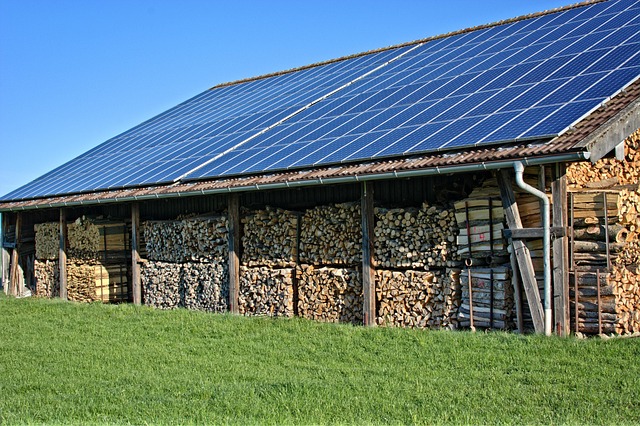
Creating a vibrant outdoor space is a powerful strategy to enhance curb appeal sustainably and responsibly, particularly in the real estate market where first impressions significantly impact property values. The use of environmentally friendly landscaping not only adds beauty but also provides residents with a connection to nature, fostering a sense of tranquility and well-being. This approach aligns perfectly with today’s consumer trends, as many buyers seek eco-conscious homes that contribute positively to their surroundings.
Plant selection plays a pivotal role in cultivating an attractive and sustainable outdoor haven. Native plants, for instance, are adapted to local conditions, requiring less maintenance and water compared to non-native species. This reduces the environmental footprint while promoting biodiversity. For example, in regions with diverse ecosystems, incorporating native wildflowers and shrubs can create a visually stunning garden that supports local pollinators like butterflies and bees. Furthermore, choosing plants with varying heights and textures adds depth and visual interest, ensuring your outdoor space remains captivating throughout the seasons.
Water conservation is another critical aspect of sustainable curb appeal. Implementing smart irrigation systems that utilize rain sensors and drip technology ensures water is used efficiently. These strategies not only reduce utility bills for homeowners but also contribute to the overall health of local water resources. For instance, replacing large expanses of lawn with drought-resistant grass varieties or creating edible gardens can significantly cut down water consumption while providing fresh produce. By embracing these practices, real estate properties become more attractive to environmentally conscious buyers and stand out in a competitive market.