Real estate naturally benefits from enhancing its natural charm through sustainable practices. Evaluating land assets, incorporating native plant species, and strategic hardscape placement significantly improve curb appeal and property value. Eco-friendly landscaping reduces environmental impact while fostering biodiversity. Energy-efficient solutions like LED lighting, recycled materials, and smart home technology further elevate appeal and marketability. These strategies cater to environmentally conscious buyers and ensure responsible real estate investments.
In today’s competitive real estate landscape, enhancing curb appeal is more than just an aesthetic concern; it’s a key differentiator that can significantly impact property value and marketability. However, traditional methods often rely on resource-intensive practices that are unsustainable and environmentally harmful. This article provides a comprehensive, authoritative guide to sustainable and responsible curb appeal enhancements, empowering real estate professionals and homeowners alike to make informed decisions that not only elevate the visual allure of properties but also contribute to a greener future.
Evaluate Property's Natural Charm: Real Estate

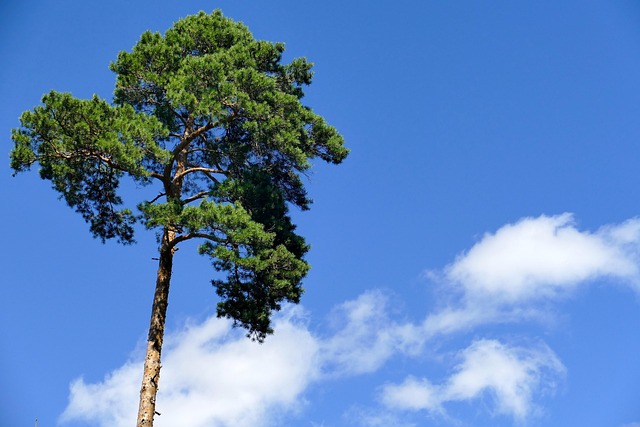
Evaluating a property’s natural charm is a key component of enhancing curb appeal sustainably and responsibly. Real estate naturally plays a significant role in the overall aesthetic and desirability of a home or neighborhood. Instead of relying solely on synthetic materials and excessive landscaping, consider the unique features already present. For instance, a mature tree line can provide both privacy and shade, reducing the need for extensive hardscape installations. Native plant species are not only low-maintenance but also attract local wildlife, creating a more ecologically balanced environment. In urban areas, rooftop gardens or vertical greenery can transform concrete jungles into vibrant green spaces that improve air quality and reduce heat islands.
Data suggests that homes with well-maintained landscapes and natural elements appeal to a broader range of buyers and command higher property values. According to a study by the National Association of Realtors, properties with aesthetically pleasing outdoor spaces sell faster and for 10-15% more than comparable listings without such features. This trend highlights the importance of enhancing real estate naturally, as it not only increases curb appeal but also contributes to long-term investment value. Property owners can start by conducting a thorough assessment of their land’s existing assets, including topography, soil quality, and existing vegetation.
Actionable advice for evaluating and improving natural charm includes creating a diverse plant landscape that offers year-round interest, incorporating native species tailored to local climates, and strategically placing hardscapes to complement rather than dominate the natural terrain. For example, a winding path through a woodland garden can enhance privacy while allowing residents to connect with nature. Additionally, preserving or restoring historic landscaping features unique to the property can add character and distinguish it from neighbors. By embracing real estate’s natural potential, homeowners and developers alike can achieve aesthetically pleasing results that respect and preserve the environment.
Implement Eco-Friendly Landscaping Strategies
To enhance curb appeal sustainably and responsibly, real estate professionals and homeowners should consider implementing eco-friendly landscaping strategies. These methods not only reduce environmental impact but also create visually appealing and healthy outdoor spaces. One effective approach is to incorporate native plant species, which require less water and fertilizer compared to non-native varieties. For instance, in regions with water scarcity, native plants can significantly reduce a property’s overall ecological footprint, while still providing vibrant and diverse habitats for local wildlife.
Additionally, adopting permaculture principles, such as creating multi-layered gardens and utilizing compost instead of synthetic fertilizers, can lead to more robust and resilient landscapes. These strategies not only save resources but also promote biodiversity by encouraging beneficial insects and birds to inhabit the yard. For example, a study by the U.S. Department of Agriculture found that permaculture practices can reduce water usage by up to 60% and decrease the need for chemical inputs by over 80%. By integrating these eco-friendly techniques, real estate naturally becomes more sustainable, enhancing both curb appeal and property value.
Another key aspect is responsible waste management, including recycling and composting organic materials. Landscape designers can encourage the use of recycled materials like reclaimed wood or repurposed containers for features like garden beds and water features. This reduces demand for new resources and gives a unique aesthetic to the property. Moreover, implementing green infrastructure, such as rain gardens and bioswales, helps manage stormwater runoff and filters pollutants, contributing to a healthier local ecosystem. These strategies not only enhance curb appeal but also position real estate as a responsible and forward-thinking investment.
Enhance Exterior: Energy-Efficient Solutions

Curb appeal is a significant factor in real estate, significantly influencing property values and marketability. Among various enhancements, adopting energy-efficient solutions offers both aesthetic and financial benefits while promoting sustainable living. This approach not only attracts environmentally conscious buyers but also contributes to long-term cost savings. For instance, LED lighting, known for its longevity and reduced energy consumption, can dramatically improve a property’s exterior appeal while lowering utility bills.
In terms of materials, opt for locally sourced, low-maintenance options like recycled metal or composite siding that resist fading and damage, reducing the need for frequent repairs. Landscapers are increasingly recommending native plant species, which require less water and fertilizer, thereby minimizing environmental impact. These solutions not only enhance the property’s curb appeal but also contribute to a more robust, resilient ecosystem. According to recent studies, homes featuring energy-efficient upgrades sell at higher prices and experience faster sale times compared to their non-upgraded counterparts.
Additionally, integrating smart home technology can elevate exterior aesthetics while offering convenience and security. Motion-sensor lights not only reduce energy waste but also add a layer of safety to outdoor spaces. Solar-powered components, such as solar-lit paths or panels integrated into fencing, provide a sleek, modern touch while harnessing renewable energy. These solutions cater to today’s tech-savvy buyers while promoting a greener lifestyle and real estate investment that respects the environment.