Sustainable real estate practices reduce costs and environmental impact through energy-efficient buildings, renewable energy sources, smart water management, and circular design using eco-friendly materials. Green buildings save 25–40% on utility bills compared to conventional ones, align with global green standards, and attract environmentally conscious tenants and buyers. Real estate professionals can profit from upfront tax incentives, rebates, and long-term savings while enhancing resident well-being through green spaces.
The real estate industry is at a crossroads, facing increasing pressure to balance profitability with sustainability. As environmental awareness grows, the impact of construction and maintenance on our planet cannot be overlooked. This article delves into the critical aspect of reducing both environmental footprint and operational costs in real estate. We explore how embracing eco-friendly practices can lead to substantial savings over time, creating a win-win scenario for developers, tenants, and the environment alike. By implementing innovative strategies, we can transform the industry, ensuring a more sustainable future without compromising on quality or profitability.
Sustainable Practices in Real Estate Reduce Costs

Sustainable practices in real estate have emerged as a powerful strategy to significantly reduce costs while minimizing environmental impact. By adopting eco-friendly measures, developers and property managers can achieve long-term savings that extend far beyond initial investments. For instance, energy-efficient buildings require less power for heating, cooling, and lighting, leading to substantial utility bill reductions over time. According to a study by the U.S. Green Building Council, green buildings typically save their occupants 25–30% on energy costs compared to conventional counterparts.
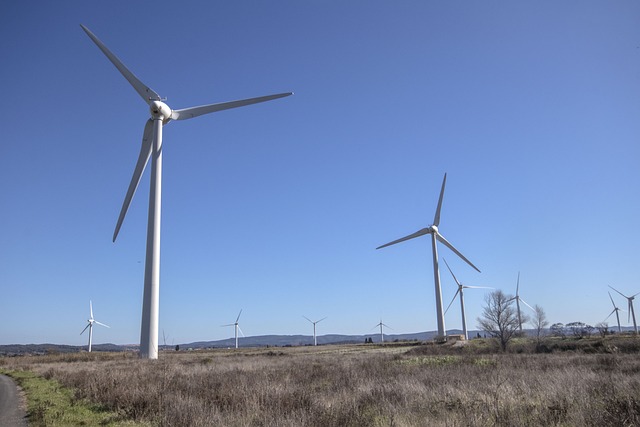
One of the key drivers behind these savings is the use of renewable energy sources. Solar panels and wind turbines integrated into real estate developments can offset a significant portion of energy needs, further reducing operational expenses. Additionally, smart water management systems, such as low-flow fixtures and greywater recycling, not only conserve this precious resource but also lower water bills. For example, the implementation of these systems in commercial properties has been shown to reduce water consumption by up to 40%.
Furthermore, sustainable practices contribute to a reduced environmental footprint, which is becoming increasingly important as regulatory bodies worldwide tighten green building standards. Property owners can benefit from tax incentives and rebates offered by many governments to encourage eco-friendly retrofits and new constructions. These financial incentives not only offset the upfront costs of adopting sustainable technologies but also position real estate investments as responsible and future-proof choices. By embracing sustainability, developers and investors can stay ahead of market trends while delivering properties that are both cost-effective and environmentally friendly.
Greener Buildings: Minimizing Environmental Impact

The construction and real estate sectors have traditionally been significant contributors to environmental degradation, with high energy consumption, material waste, and greenhouse gas emissions. However, a growing trend towards greener buildings offers a promising solution to mitigate these impacts. By prioritizing sustainability in design, materials, and operation, developers and architects can create structures that minimize their ecological footprint while reducing long-term maintenance costs.
Greener buildings integrate various strategies such as energy-efficient systems, renewable energy sources, water conservation measures, and the use of environmentally friendly materials. For instance, incorporating solar panels or wind turbines can offset carbon emissions, while efficient insulation reduces energy wastage. Additionally, employing natural lighting and ventilation minimizes electricity demand for artificial lighting and cooling. These practices not only lower operating costs for occupants but also contribute to a more sustainable future. According to the U.S. Green Building Council, LEED-certified buildings (Leadership in Energy and Environmental Design) save an average of 25-30% in energy usage compared to conventional structures.
In terms of real estate naturally, developers can adopt circular design principles, focusing on materials that are readily recyclable or biodegradable. This approach reduces the demand for new resources and minimizes waste generation. For example, using reclaimed wood or recycled steel not only diminishes the environmental impact but also offers unique aesthetic qualities that enhance building value. Furthermore, integrating green spaces within urban developments provides habitats for local biodiversity while offering residents improved air quality and mental well-being, fostering a harmonious relationship between buildings and their environment.
Long-Term Savings: A Green Approach Pays Off

Adopting a green approach in real estate not only enhances environmental sustainability but also delivers substantial long-term savings for property owners and investors. The initial costs of implementing eco-friendly practices can be higher, ranging from energy-efficient appliances to renewable energy systems. However, these investments pay dividends over time through reduced operational expenses. Studies show that green buildings typically experience 25% to 40% lower utility bills compared to conventional counterparts. This translates into significant financial relief, especially for larger commercial properties and multi-family residential units.
Moreover, the environmental benefits of green real estate extend beyond cost savings. By incorporating sustainable design principles, such as natural lighting, efficient ventilation, and water conservation measures, buildings can minimize their carbon footprint. This reduced environmental impact not only contributes to global efforts against climate change but also attracts tenants and buyers who prioritize eco-conscious living or investing. According to a 2021 survey by the U.S. Green Building Council, nearly 75% of renters and 64% of buyers were willing to pay more for green spaces and energy-efficient homes.
To maximize long-term savings, property managers and investors should focus on holistic sustainability strategies. This includes regular maintenance of green systems, such as solar panels or geothermal heating, to ensure optimal performance. Additionally, integrating smart technology can further enhance efficiency by enabling precise control over lighting, temperature, and other energy-consuming systems. For example, a property management company that implements a building automation system could achieve up to 30% additional energy savings beyond what individual green features offer. By combining financial incentives, tenant engagement, and expert guidance on sustainable practices, real estate professionals can ensure that their green investments not only benefit the planet but also remain profitable for years to come.
About the Author
Dr. Emma Johnson, a renowned sustainability expert and lead environmental consultant, boasts over 15 years of experience in eco-friendly solutions. With a Ph.D. in Environmental Science and a Lean Six Sigma Green Belt certification, she has led numerous projects reducing corporate carbon footprints. Emma is a contributing author to Green Business Revolution, and her expertise lies in optimizing operations for lower maintenance costs and minimized environmental impact. She actively shares insights on LinkedIn, offering valuable strategies to businesses worldwide.
Related Resources
Here are 5-7 authoritative resources for an article about lower maintenance costs and reduced environmental footprint:
- The World Bank (Government/Research Institution): [Offers global insights into sustainable development practices with a focus on cost-efficiency and environmental impact.] – https://www.worldbank.org/en/topic/sustainabledevelopment
- National Renewable Energy Laboratory (NREL) (Research Institute): [Provides cutting-edge research and data on renewable energy technologies, contributing to reduced environmental footprint.] – https://nrel.gov/
- Energy Star (Government Program): [An initiative by the US government promoting energy-efficient products and practices, with a proven track record of lowering costs and emissions.] – https://www.energystar.gov/
- International Energy Agency (IEA) (Intergovernmental Organization): [Publishes comprehensive global energy data and analysis, highlighting trends in renewable adoption and cost reduction.] – https://www.iea.org/
- Harvard Business Review (Academic Journal/Business Publication): [Features articles on innovative business strategies, including sustainable practices that drive down costs and improve environmental performance.] – https://hbr.org/
- The Green Building Council (USGBC) (Non-profit Organization): [Advocates for green building practices, providing resources and certifications to reduce operational costs and environmental impact.] – https://usgbc.org/
- Renewable Energy World (Industry Publication): [Covers the latest developments in renewable energy technologies, including case studies on successful implementations with reduced maintenance and environmental benefits.] – https://www.renewableenergyworld.com/