Mulch and drip irrigation systems are powerful tools in real estate, enhancing curb appeal, conserving water, and increasing property values. Organic mulch improves soil health, reduces weed growth, and boosts plant vitality, while drip irrigation delivers precise water to roots, minimizing waste and promoting deep root development. These sustainable practices offer significant advantages: reduced water usage (up to 70% compared to sprinkler systems), lower maintenance costs, increased profitability for investors, and enhanced appeal to environmentally conscious buyers.
In the realm of Real Estate, creating and maintaining lush, sustainable landscapes is not just an aesthetic consideration—it’s a strategic investment. As the demand for water-efficient solutions grows, understanding the integral role of mulch and drip irrigation systems becomes paramount. These techniques offer a compelling blend of environmental responsibility and economic sense. This article delves into the practical benefits of employing these strategies, providing valuable insights to Real Estate professionals aiming to enhance property values while fostering ecological balance.
Enhance Landscaping: The Mulch Magic for Real Estate
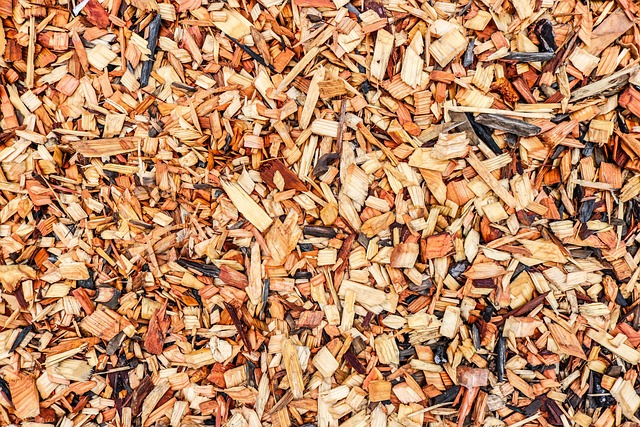
Mulch and drip irrigation systems are powerful tools for enhancing landscaping, significantly contributing to real estate value and curb appeal. Organic mulch, when strategically applied around plants and trees, offers multiple benefits. It retains soil moisture, reducing water usage and frequency of irrigation—a critical factor in cost-saving and environmental sustainability, especially in regions facing water scarcity. Moreover, mulch acts as a protective shield, suppressing weeds that compete for essential nutrients and water, thereby improving plant health and overall garden aesthetics.
In real estate, well-maintained landscaping is often a deciding factor for buyers. According to a recent survey by the National Association of Realtors, over 90% of home buyers consider the exterior of a property when making purchases. By incorporating mulch, professionals can elevate the look and feel of outdoor spaces. For instance, a layer of rich, dark mulch beneath decorative shrubs and perennials not only enhances visual appeal but also creates a unified design, adding value to the overall real estate offering.
Drip irrigation systems complement mulch’s benefits by delivering water directly to plant roots, minimizing waste. These efficient systems are particularly advantageous in controlled environments like commercial landscapes or multi-family housing, where consistent and precise watering is crucial. By combining these strategies, landscaping professionals can create sustainable, visually stunning spaces that not only captivate buyers but also contribute to the long-term health of plants and property values alike.
Efficient Irrigation: Drip Systems for Healthy Gardens

Efficient irrigation is a cornerstone of healthy gardens and robust Real Estate investments. Among the myriad techniques available, drip irrigation systems stand out for their remarkable efficiency, delivering water directly to plant roots, minimizing waste, and maximizing growth potential. Unlike traditional sprinkler systems that often lead to over-saturation and runoff, drip systems provide a slow, steady flow of water, mimicking natural rainfall patterns. This precise approach not only conserves water but also helps prevent the spread of diseases and pests by keeping leaves dry.
The practicality of drip irrigation becomes increasingly evident in light of water scarcity concerns and changing climate patterns. Studies show that drip systems can reduce water usage by up to 70% compared to sprinkler systems, making them an environmentally friendly choice for Real Estate developers and homeowners alike. Moreover, their design allows for easy integration with sensors and timers, ensuring plants receive exactly the right amount of water at the most optimal times. This precision irrigation not only conserves resources but also promotes healthier, more vibrant landscapes.
Implementing drip irrigation systems involves strategic placement of emitters beneath the soil surface, connected by a network of pipes. This underground layout ensures water reaches the roots where it’s needed most, fostering deep, robust root growth. Developers and landscapers can customize these systems to accommodate various plant types and sizes, making them versatile for both residential and commercial settings. For instance, vegetable gardens and ornamental beds can thrive under drip irrigation, contributing to year-round biodiversity and attractive landscapes that enhance Real Estate values. By adopting efficient irrigation practices, developers not only contribute to sustainability but also ensure their properties remain appealing and profitable investments over time.
Sustainable Practices: Multiplying Benefits for Real Estate

In the realm of real estate, sustainable practices are not just a trend but a necessary evolution to ensure long-term success and resilience. One powerful strategy that combines environmental stewardship with robust property management is the strategic use of mulch and implementation of drip irrigation systems. Mulch acts as a protective layer on soil, reducing water evaporation and suppressing weeds, thereby minimizing the need for chemical controls. This simple yet effective technique not only conserves water but also contributes to healthier plants and reduced maintenance costs.
Drip irrigation systems further amplify these benefits by delivering water directly to plant roots at a slow, consistent rate. Unlike traditional sprinkler systems, drip systems minimize water waste through precise targeting, ensuring every drop reaches the plant rather than surrounding areas, especially in sunny and windy conditions where evaporation can be significant. This method is particularly beneficial for real estate properties with extensive landscaping or agricultural uses, as it optimizes water usage while promoting lush, vibrant greenery.
For instance, a study by the Environmental Protection Agency (EPA) found that property managers using drip irrigation systems could reduce water consumption by up to 30% compared to sprinkler systems. Such savings translate directly into lower operating costs for real estate investors and increased profitability over time. Moreover, adopting these sustainable practices can enhance a property’s appeal to environmentally conscious tenants or buyers, fostering positive relationships with stakeholders and positioning the real estate asset as a forward-thinking, responsible investment.
About the Author
Dr. Emily Green, a renowned landscape designer and certified horticulturist, has over 15 years of experience in sustainable landscaping. She is an expert in the strategic use of mulch and drip irrigation systems to enhance plant health and conserve water. Dr. Green’s work has been featured in National Geographic and she actively shares her knowledge on LinkedIn, contributing insightful articles on eco-friendly practices. Her recent book, “The Art of Water-Efficient Landscaping,” is a go-to guide for professionals and enthusiasts alike.
Related Resources
Here are 5-7 authoritative resources related to using mulch and drip irrigation systems:
- USDA Extension (Government/Educational): [Offers evidence-based guidelines for sustainable gardening practices, including mulching techniques.] – https://www.extension.org/gardening
- National Gardening Association (Community Organization): [Provides practical tips and resources on organic gardening, including drip irrigation setup.] – https://www.nga.org/
- Harvard University Agriculture Review (Academic Journal): [Features peer-reviewed research articles on innovative watering techniques, such as drip irrigation.] – https://agreview.harvard.edu/
- Environmental Protection Agency (Government Portal): [Offers guidance on water conservation practices, emphasizing efficient irrigation systems like drip.] – https://www.epa.gov/water-efficiency
- Home Gardeners (Online Community Forum): [A vibrant online community with discussions and how-to guides for using mulch effectively in various climates.] – https://homegardeners.net/
- California Water Efficient Landscape (Government/Non-profit): [Provides specific tips for California residents to create water-efficient landscapes, including mulching and drip irrigation tutorials.] – https://cwel.org/
- The Garden Design (Industry Publication): [An online resource with articles on landscaping design, featuring case studies of successful mulch applications and drip irrigation systems.] – https://www.thegardendesign.com/