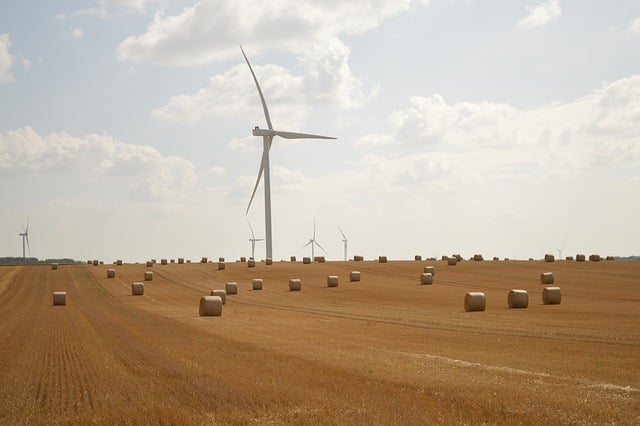
Real estate naturally benefits from incorporating green features, offering substantial financial savings and environmental preservation. Key advantages include reduced energy and water bills, extended building lifespans, government incentives, tenant appeal, and enhanced property value through strategies like energy-efficient appliances, water conservation, green roofs, and smart home technology. Implementing these practices drives long-term success in an eco-conscious market by attracting environmentally conscious tenants, securing financial benefits, and contributing to a sustainable future.
In the dynamic realm of real estate, balancing growth with sustainability is a constant challenge. As environmental consciousness rises, so does the need for properties that minimize maintenance costs while reducing their ecological footprint. The problem lies in the traditional approach, where aesthetics often trump efficiency, leading to excessive upkeep and resource wastage. However, innovative solutions are emerging, offering a harmonious blend of aesthetic appeal and low-maintenance practicality. This article delves into these strategies, providing insights into how real estate professionals can create sustainable spaces that save costs and preserve our planet’s resources.
Evaluating Green Features for Cost Savings in Real Estate

Incorporating green features into real estate has become a significant strategy not only for promoting sustainability but also for driving cost savings. Evaluating these features can lead to substantial long-term benefits, as environmentally conscious properties often command higher rental rates and resale values. For instance, according to a study by the U.S. Green Building Council, buildings certified under LEED (Leadership in Energy and Environmental Design) standards have shown an average 7% increase in property value and 25% higher rents compared to non-certified counterparts.
Key green features contributing to cost savings include energy-efficient appliances and systems, water conservation mechanisms, and materials with lower environmental impacts. For example, LED lighting reduces electricity bills by up to 80% and cuts down on maintenance costs associated with traditional bulbs. Similarly, low-flow fixtures in bathrooms and kitchens can save up to 60% of water usage, translating into significant savings over time. In real estate, these features not only attract eco-conscious tenants and buyers but also offer tangible financial benefits, making them a compelling investment.
Furthermore, green roofs and walls, while initially costly, provide insulation, reduce the urban heat island effect, and lower cooling costs. Studies show that green roofs can extend the lifespan of building structures by preventing water damage and maintaining consistent temperatures. As cities embrace sustainable practices, real estate developers who integrate these features will be better positioned to capitalize on government incentives and grants aimed at promoting eco-friendly developments.
To maximize cost savings, property managers and owners should conduct thorough assessments and prioritize features based on regional climates and tenant preferences. Regular maintenance and monitoring of green systems are crucial for optimal performance. By adopting these practices, real estate naturally becomes a significant contributor to both environmental preservation and financial prudence.
Reducing Environmental Impact: Strategies for Property Owners

Reducing a property’s environmental footprint is not just an ethical imperative; it translates directly into lower maintenance costs for real estate owners. Sustainable practices like energy efficiency improvements can slash utility bills, while eco-friendly materials and design strategies can extend the lifespan of buildings, reducing the need for costly renovations. For instance, according to the U.S. Green Building Council, LEED-certified buildings typically experience 25-30% lower water usage and 20-30% lower energy costs compared to conventional counterparts.
Property owners can start with simple yet impactful actions like switching to LED lighting, which uses 75% less energy than incandescent bulbs and lasts 25 times longer. Implementing programmable thermostats allows for precise temperature control, preventing energy waste when spaces are unoccupied. Additionally, encouraging tenants to adopt sustainable habits—such as turning off lights and appliances when not in use—can collectively make a significant difference.
Beyond individual efforts, collaboration with local communities and developers is crucial. Promoting the adoption of green building codes and incentives can drive broader environmental improvements across the real estate sector. Many cities now offer tax breaks and rebates for homeowners who install solar panels or undertake energy-efficient renovations, further incentivizing sustainable practices. By embracing these strategies, property owners not only contribute to a healthier planet but also position their investments for long-term financial success in an increasingly eco-conscious market.
Long-Term Benefits: Lower Maintenance Meets Sustainable Living

Lower maintenance costs and a reduced environmental footprint are two powerful drivers shaping today’s real estate landscape. When these factors converge, they offer not just cost savings but also contribute to sustainable living—a growing priority for many homeowners and investors. Consider a property that requires minimal upkeep, such as those with energy-efficient appliances, smart home technology, and durable materials. These features not only lower utility bills but also reduce the frequency of repairs and replacements, significantly cutting down on maintenance expenses over time.
The long-term benefits extend beyond financial savings. Sustainable real estate practices often incorporate eco-friendly design elements that further minimize a property’s environmental impact. For instance, homes built with recycled materials or designed to maximize natural light and ventilation can reduce carbon footprints. Moreover, integrating renewable energy sources like solar panels can lower utility costs and enhance the overall sustainability of the residence. According to a recent study by the U.S. Department of Energy, homes equipped with smart thermostats and energy-efficient appliances can save an average of 10% on heating and cooling bills annually.
Practical insights for embracing these trends include conducting thorough research during property searches and consulting with experts in sustainable building practices. Homeowners can also implement simple yet effective strategies to reduce maintenance costs, such as regular cleaning and inspection routines. For real estate investors, focusing on properties with low-maintenance features and a proven track record of energy efficiency can ensure steady returns while aligning with growing market demands for eco-conscious living spaces. By embracing these long-term benefits, both homeowners and investors can enjoy financial savings and contribute to a greener future.